Allergic rhinitis
Allergic rhinitis is the most common type of allergy.

Allergic rhinitis, of which the seasonal type is called hay fever, is a type of inflammation in the nose that occurs when the immune system overreacts to allergens in the air. It is classified as a type I hypersensitivity reaction. Signs and symptoms include a runny or stuffy nose, sneezing, red, itchy, and watery eyes, and swelling around the eyes. The fluid from the nose is usually clear. Symptom onset is often within minutes following allergen exposure, and can affect sleep and the ability to work or study. Some people may develop symptoms only during specific times of the year, often as a result of pollen exposure. Many people with allergic rhinitis also have asthma, allergic conjunctivitis, or atopic dermatitis.
Lore & Background
Allergic rhinitis is the type of allergy that affects the greatest number of people. In Western countries, between 10 and 30% of people are affected in a given year. It is most common between the ages of twenty and forty. The link with hay came about due to an early (and incorrect) theory that the symptoms were brought about by the smell of new hay.
Reader's Guide
Allergic rhinitis is a common inflammatory condition of the nasal passages triggered by environmental allergens such as pollen, pet hair, dust mites, or mold. Its significance lies in its high prevalence, affecting 10–30% of people in Western countries annually, and its impact on quality of life, including sleep and work or study ability. The condition is classified as a type I hypersensitivity reaction mediated by IgE antibodies and histamine release. Diagnosis is based on symptoms and skin prick or blood tests for allergen-specific IgE, though false positives can occur. Treatment includes nasal steroids, antihistamines, mast cell stabilizers, leukotriene receptor antagonists, and allergen immunotherapy, which is often effective when first-line treatments fail. The condition is linked to asthma, allergic conjunctivitis, and atopic dermatitis, and genetic factors such as IL-33 gene polymorphisms contribute to its pathogenesis.
Did You Know?
- Allergic rhinitis is the type of allergy that affects the greatest number of people.
- The link with hay came about due to an early and incorrect theory that symptoms were brought about by the smell of new hay.
The Inflammatory Engine
Allergic rhinitis is fundamentally a hypersensitivity reaction set off by inhaled particles such as pollen, animal dander, mold spores, household dust, and even specific compounds like Balsam of Peru. When these airborne allergens reach the nasal mucosa, they provoke mast cells to degranulate—a process in which the cells burst open and flood the surrounding tissue with histamine along with a cocktail of other inflammatory chemicals. This chemical cascade is the engine behind every downstream symptom. The irritated lining responds by pumping out excessive mucus, which manifests as a persistent runny nose, a blocked or congested passage, and the familiar trickle of post-nasal drip running down the back of the throat. Crucially, the inflammatory signal does not stay confined to the nasal cavity. The same histamine-driven process can ripple outward, producing a generalized sense of fatigue, malaise, and even measurable cognitive impairment, reminding the sufferer that what begins as a sneeze can quietly tax the entire body.
A Whole-Body Experience
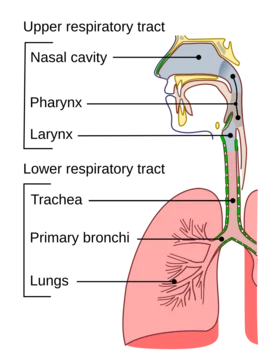
Although the name suggests a problem limited to the nose, allergic rhinitis paints a far broader clinical picture. Alongside the hallmark congestion, rhinorrhea, and bouts of sneezing, sufferers frequently report persistent nasal itching, a nagging cough, and a dull headache that lingers through the day. The condition also carries a noticeable systemic toll: patients describe waves of fatigue, a general malaise, and—perhaps most underappreciated—a measurable dip in cognitive sharpness that can interfere with concentration and daily productivity. The eyes are rarely spared. Histamine-driven inflammation can spill over into the ocular tissues, producing watery, bloodshot, and intensely itchy eyes accompanied by visible puffiness of the surrounding skin. Sneezing, while irritating, serves a protective purpose, helping to flush allergens and irritants out of the upper respiratory tract. In infectious variants of rhinitis, sneezing plays a similar expulsive role against bacteria and viruses, and in rarer cases the infection can descend further, occasionally culminating in viral or bacterial pneumonia.
A Spectrum of Subtypes
Clinicians divide rhinitis into three broad families, though the boundaries are often blurrier than the textbook suggests. Infectious rhinitis, driven by viruses like rhinoviruses, coronaviruses, influenza, adenoviruses, and bacteria such as Streptococcus pneumoniae, is typically transient. Nonallergic rhinitis is a sprawling umbrella that encompasses vasomotor, idiopathic, hormonal, atrophic, occupational, gustatory, and medication-induced forms, as well as entities like NARES and NANIPER. Vasomotor rhinitis, once considered the whole category, is now understood as one subtype among many, triggered by nonspecific stimuli—temperature swings, humidity shifts, barometric changes, strong odors, spicy food, alcohol, even emotional stress or exercise. The underlying mechanism appears to involve neurogenic inflammation and the activity of transient receptor potential ion channels on nasal epithelial cells. Perhaps most diagnostically challenging is mixed rhinitis, in which allergic and nonallergic pathways coexist in the same patient; estimates place it in roughly fifty to seventy percent of all allergic rhinitis cases, though true prevalence remains unconfirmed.
How Widespread and Who Is Affected
Allergic rhinitis is far from a rare complaint. In the United States alone, somewhere between ten and thirty percent of adults experience it in any given year, and the condition shows notable geographic variation, being more prevalent in certain countries than others. The nonallergic, vasomotor variant is equally widespread, with an estimated seventeen million U.S. citizens living with it. Demographic patterns add further nuance: vasomotor rhinitis appears significantly more common in women than in men, hinting at a possible hormonal component, and its onset typically arrives after the age of twenty, whereas allergic rhinitis can strike at any point in life. Symptoms in vasomotor cases tend to persist year-round, though they often intensify during spring and autumn when weather shifts are most abrupt. Alcohol presents an interesting cross-cultural divide: in East Asian populations the reaction is largely nonallergic, while in people of European descent a genetic variant in the ADH1B gene accelerates ethanol-to-acetaldehyde conversion, leading to acetaldehyde accumulation and nasal inflammation. Aspirin and other COX-1–inhibiting NSAIDs can further aggravate the condition.
Frequently Asked Questions
Who is Allergic rhinitis?
Allergic rhinitis is a condition in which the immune system overreacts to harmless airborne particles, triggering inflammation inside the nasal passages. It is classified as a type I hypersensitivity reaction and stands as the single most prevalent form of allergy.
What are Allergic rhinitis's powers/role?
The condition unleashes a wave of symptoms including a watery or congested nose, repeated sneezing, and red, itchy, teary eyes accompanied by orbital puffiness. The mucus it produces is typically clear rather than thick or discolored.
How quickly does Allergic rhinitis strike?
Symptoms generally appear within just a few minutes of encountering the triggering allergen. The episode can disrupt sleep and make it hard to concentrate on work or study.
What is the seasonal variant of Allergic rhinitis?
When the condition is confined to particular times of the year, it goes by the common nickname "hay fever." Some individuals only experience symptoms during those specific seasonal windows rather than year-round.
Why is Allergic rhinitis considered the main antagonist in the allergy world?
It holds the distinction of being the most frequently encountered allergy in the general population. Its sheer prevalence makes it the most commonly diagnosed allergic condition in everyday clinical practice.
More in Respiratory & Infectious Diseases 25-31
Elsewhere in the Respiratory & Infectious Diseases universe
Spotted an error? Know more?
This is a living reference — every entry is fact-audited, and reader corrections feed straight into our audit queue. Suggest an edit · See this site's audit record