Bronchodilator
Substances that dilate airways to improve airflow.

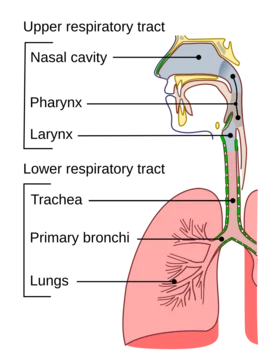
A bronchodilator or broncholytic is a substance that dilates the bronchi and bronchioles, decreasing resistance in the respiratory airway and increasing airflow to the lungs. Bronchodilators may be originating naturally within the body, or they may be medications administered for the treatment of breathing difficulties, usually in the form of inhalers. They are most useful in obstructive lung diseases, of which asthma and chronic obstructive pulmonary disease are the most common conditions.
- field
- Respiratory pharmacology
- known_for
- Dilating bronchi and bronchioles to treat obstructive lung diseases
- types
- Short-acting and long-acting
- common_conditions
- Asthma, chronic obstructive pulmonary disease
Lore & Background
Bronchodilators are divided into short-acting and long-acting groups. Short-acting medications provide quick or 'rescue' relief from acute bronchoconstriction, while long-acting bronchodilators help to control and prevent symptoms. The three types of prescription bronchodilating drugs are beta-2 adrenergic agonists (short- and long-acting), anticholinergics (short- and long-acting), and theophylline (long-acting). Short-acting β2-adrenergic agonists, such as salbutamol, are specific to the lungs and can relieve bronchospasms without unwanted cardiac side effects. Long-acting β2-adrenergic agonists, such as salmeterol and formoterol, are taken twice a day with an anti-inflammatory medication to maintain open airways.
Reader's Guide
Bronchodilators are central to the management of obstructive lung diseases, particularly asthma and chronic obstructive pulmonary disease. Their significance lies in their ability to rapidly relieve acute bronchoconstriction and to prevent symptoms over the long term. Short-acting β2-agonists serve as rescue medications, while long-acting agents and anticholinergics provide sustained control. Theophylline, though effective, requires careful monitoring due to side effects and interactions. The development of combination therapies, such as pairing anticholinergics with short-acting β2-agonists, has reduced hospital admissions for acute asthma exacerbations. Despite their utility, bronchodilators are of unproven significance in restrictive lung diseases, and their use in bronchiolitis and bronchiectasis remains somewhat controversial.
Did You Know?
- Short-acting β2-adrenergic agonists usually take effect within 20 minutes or less and can last from four to six hours.
- Ipratropium bromide, a short-acting anticholinergic, can take a full hour to begin working and is most often paired with a short-acting β2-adrenergic agonist.
- Theophylline belongs to the chemical class methylxanthines, along with caffeine.
- Gaseous carbon dioxide relaxes airway musculature, but its bronchodilating effect only lasts 4 to 5 minutes.
Frequently Asked Questions
What is a Bronchodilator?
A bronchodilator is a substance—either produced naturally by the body or delivered as a medication—that widens the bronchi and bronchioles to reduce airway resistance and allow more air to reach the lungs. They are most commonly administered through inhalers for people experiencing breathing difficulties.
What conditions does Bronchodilator treat?
Bronchodilators are primarily used to manage obstructive lung diseases, with asthma and chronic obstructive pulmonary disease (COPD) being the two most common conditions they address. By opening up narrowed airways, they help restore adequate airflow to the lungs.
What are the main types of Bronchodilator?
Bronchodilators come in two primary categories: short-acting and long-acting. Short-acting versions provide rapid relief for acute episodes, while long-acting ones offer sustained airway opening over extended periods.
Why is Bronchodilator important in respiratory care?
Bronchodilators are a cornerstone of respiratory pharmacology because they directly address the mechanical obstruction that makes breathing difficult in conditions like asthma and COPD. Without them, patients would have significantly limited options for restoring airflow during both acute and chronic episodes.
How does Bronchodilator work in the body?
The substance acts by relaxing the smooth muscle surrounding the bronchi and bronchioles, effectively widening the air passages. This reduces resistance in the respiratory tract and increases the volume of air that can flow into the lungs with each breath.
More in Respiratory & Infectious Diseases 1-24
Elsewhere in the Respiratory & Infectious Diseases universe
Spotted an error? Know more?
This is a living reference — every entry is fact-audited, and reader corrections feed straight into our audit queue. Suggest an edit · See this site's audit record